Gaithersburg, MD · Garage Door Service
A look at what our techs actually check on a Gaithersburg service call, tied to the 1980s-era housing stock and cold-climate hardware common on this side of Montgomery County.
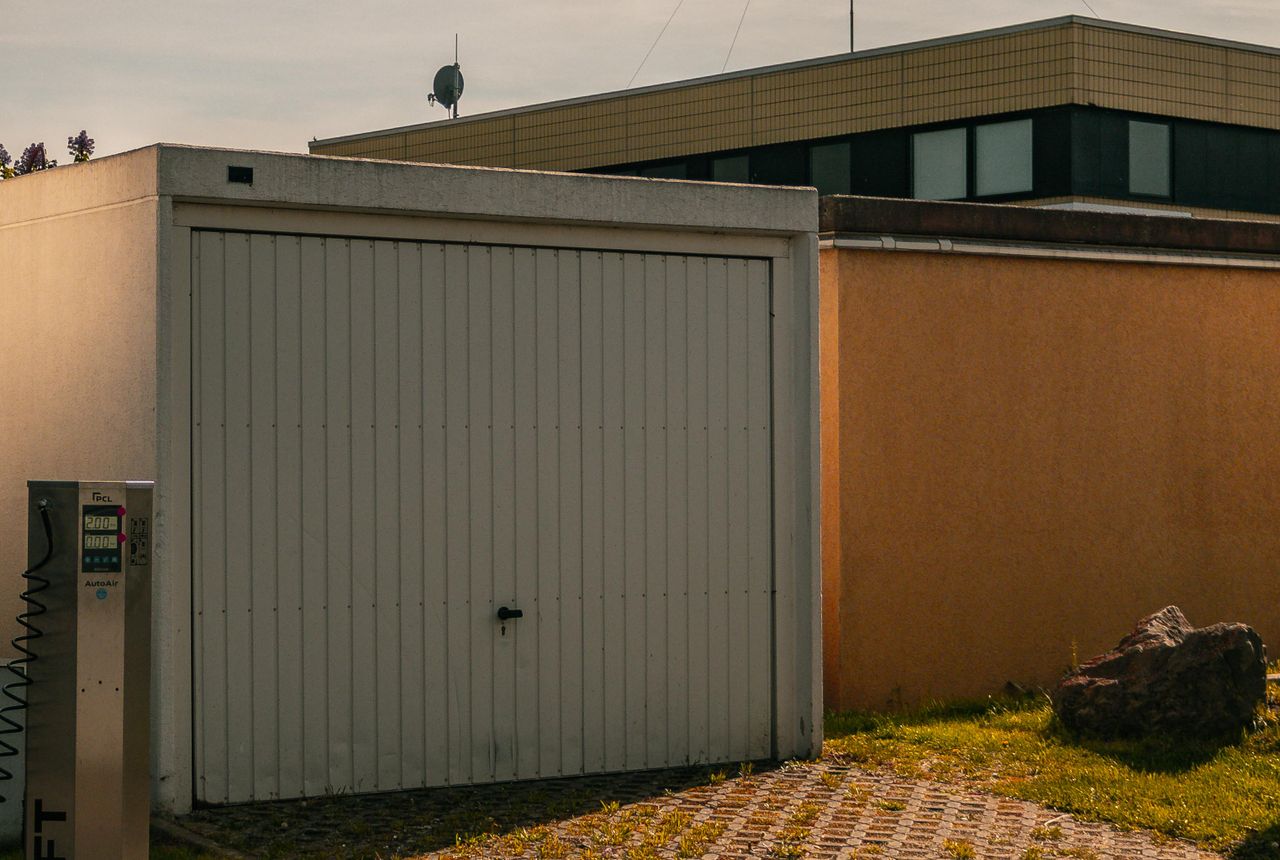
Before you call anyone, open the door by hand with the opener disconnected. If it's heavy, drags, or won't stay put halfway up, the springs are carrying less than they should - that's not an opener problem, no matter what the wall button suggests. Look at the track brackets too. A lot of the doors we see around Gaithersburg went in when the house did, and most of this housing dates to the 1980s and 90s, so original hardware from that era is now 30 to 45 years old. That's past the point where you'd expect factory-spec tension in a torsion spring. Check the bottom seal while you're down there - cracked or flattened rubber lets in more than a draft here, it lets in meltwater that refreezes in the track. We won't tell you to grease every hinge with WD-40; that's the wrong lubricant and it attracts grit. A light silicone spray on rollers and hinges is enough. If the door reverses on its own before touching the floor, or the cables look frayed at the drum, stop testing it yourself and get it looked at - that's a tensioned-cable failure risk, not a DIY fix.
This area sits in a cold-climate band with real seasonal swings, and steel garage door components don't handle that gracefully. Torsion springs lose a measurable amount of tension in a hard freeze, which is why a door that worked fine in October suddenly feels heavy in January. Galvanized cable can corrode where road salt splashes up from a driveway, and on the older end of our housing stock - some of it built as early as 1948 - that cable was never rated for the freeze-thaw cycling we get most winters. Openers with limit switches set in warm weather often need readjustment once metal contracts. None of this is unique to any one house; it's what cold does to steel and nylon rollers across the board. We see the same pattern on doors near Washington Grove and Derwood as we do closer in - houses built in the same decades, wearing the same way.
The most common mistake is replacing one spring on a double torsion system and leaving the other, older one in place. They were installed together, they age together, and a mismatched pair puts uneven load on the shaft - it'll fail again, usually within months. The second mistake is assuming an opener issue is electrical when it's mechanical. If the motor strains and the light flickers, check the springs first; a straining motor is usually compensating for a door that's no longer balanced. Third, people tighten the track bolts on a misaligned track instead of checking the wall plumb - that fixes the noise for a week and nothing else. And on Gaithersburg's older stock, we've had calls where a homeowner bought a big-box replacement door that didn't match the original rough opening; a door built for a 1980s frame doesn't always drop into a 2010s-built one without adjustment, or the reverse.
Most of what we get called out for isn't a mystery once we're standing in the driveway. It's a spring that's done its 10,000 cycles, a cable that's rusted through at the drum, or an opener logic board that's outlived its gears. The honest limitation here: if your door was built before the mid-1990s and the track hardware is original, we may not be able to source an exact replacement part. At that point, replacing the section or the whole door is usually cheaper than chasing a discontinued bracket. We'll tell you that on the call, not after we've billed for a part that took three weeks to arrive. With median household income here running well above the national figure, most owners in this service area choose to replace rather than patch once a door crosses that line - but we'll always give you the repair option first if it's a real option.
Disconnect the opener (pull the red release cord) and lift the door by hand. If it's heavy, uneven, or won't hold position halfway up, the spring is under-tensioned. If it lifts smoothly by hand but the opener won't move it, the problem is electrical or in the gear assembly, not the spring.
Steel springs and cables lose tension and flexibility in hard cold, which is common in this climate band. A door that ran fine all fall can suddenly feel heavy or bind in the track once temperatures drop, especially on older torsion setups.
On hardware that old, yes, sometimes - replacement parts for original torsion drums and some track brackets from that era aren't always stocked anymore. We'll always check first, but a full swap can end up cheaper than a hunt for a discontinued part.
Call now or request a free quote - same-day service on most repairs, upfront written pricing.