Gaithersburg, MD · Garage Door Service
How Gaithersburg's 1948-2015 housing stock and cold winters change what a detached vs attached garage door needs, and where owners get it wrong.
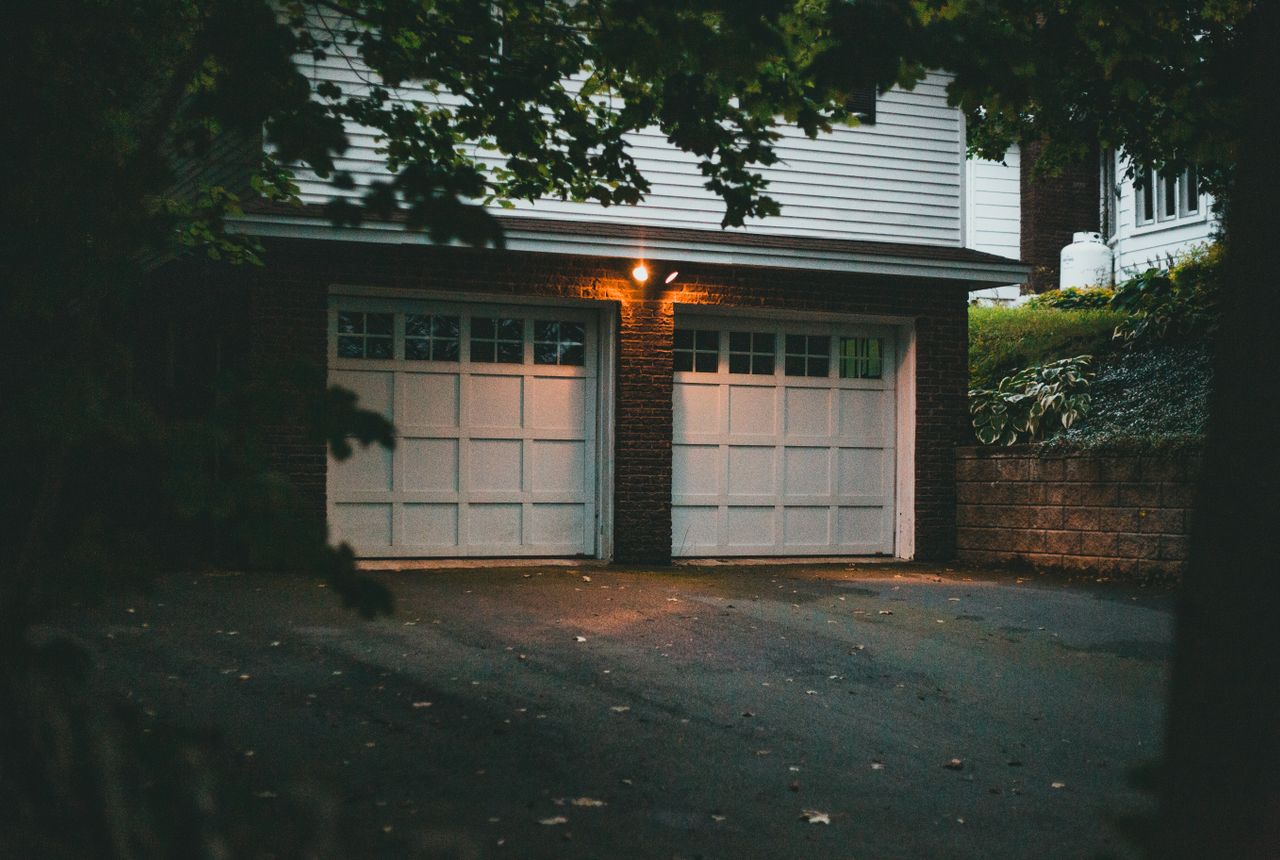
Start by figuring out which kind of garage you actually have, because the checks are different. On an attached garage, the door shares a wall with living space, so a bad seal or a bent panel doesn't just let in cold air - it lets it into a room someone sleeps near. Run your hand along the bottom seal and the top of the door on a cold morning and feel for a draft.
On a detached garage, common on the older lots in this area built from 1948 through the 1980s (median build year 1980), there's no shared wall to worry about, but the structure itself is often less insulated and the door hardware takes more direct weather. Check the track brackets for rust or looseness - detached garages built in that era rarely have the wall bracing that newer attached garages get.
Either way, open the door by hand with the opener disconnected. It should move smoothly and stay roughly level partway up. If it drops or feels heavy, that's a spring problem, not something to keep testing by running the opener over and over.
This area sits in a severe cold climate band, and that matters differently depending on which garage type you've got. On an attached garage, cold coming through a bad door seal pulls heat straight out of the house, and in the coldest stretches that shows up as a spike in heating runtime before anyone notices the door itself. On a detached garage, the concern is usually the hardware, not the house - torsion springs and steel tracks lose flexibility in hard cold, and a spring that's been marginal for months tends to fail on the first real cold snap, not gradually.
Because a lot of the housing stock here dates to the 1980s and 90s, a lot of the original doors and openers are also from that era or close to it. Steel expands and contracts with temperature swings, and after enough winters the fasteners at the track brackets work loose. That's a bigger issue on a detached structure, where the door and track absorb more of the temperature swing directly.
The most common mistake is treating a detached garage door like it needs less attention because nobody's living space is behind it. In practice it's the opposite - with no adjoining wall to help hold heat or block wind, a detached garage door and its hardware take a harder beating over a Gaithersburg winter, and it's easy to let a squeak or a slow drop go for months because it's not annoying anyone indoors.
The second mistake is assuming an attached garage door's insulation is doing all the work. Insulation slows heat loss, but it doesn't fix worn seals or a warped panel, both common on houses from the 1948 to 2015 build range where doors haven't been replaced since the house went up. People buy a heavier insulated door for the attached garage and skip the seal replacement that would've solved the actual draft.
A door that's dragging, dropping unevenly, or groaning on cold mornings is telling you something about the springs or the track, and on either garage type that's not a job to keep pushing through with the opener. We don't recondition every old spring - if the coil is pitted or the door is original to a 1980s build and the torsion hardware is worn past safe adjustment, replacement is the honest answer, not another patch. Parts for some of the older detached-garage track systems in this area aren't something we keep on the truck, so a same-day fix isn't always possible on those; we'll tell you straight if that's the case instead of guessing at a repair.
Yes. A detached garage has no shared wall to help hold heat, so the door and track take more direct weather. In a cold climate like this one, that means checking hardware and springs on a detached garage more often than you would on an attached one.
A lot of homes in this area date to that era, and an original door isn't automatically unsafe, but decades of cold-weather cycling wear out springs and track fasteners. If it's dropping unevenly or the springs look pitted, have it checked before it fails outright.
A bad seal on an attached garage lets cold air move into a space that shares a wall with the house, which pulls on your heating system even if you never notice the garage itself feeling cold.
Call now or request a free quote - same-day service on most repairs, upfront written pricing.